
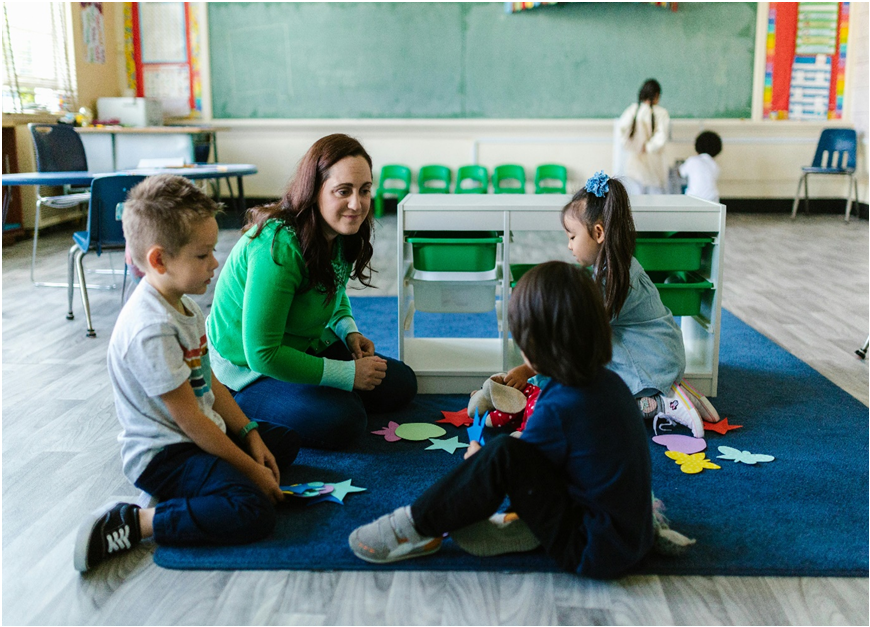
Every teacher has experienced that moment—the classroom is quiet, but not in a good way. Students are staring at their notebooks, hesitant, unsure, and mentally “stuck.” It’s not always a lack of ability. More often, it’s confusion, fear of making mistakes, or simply not knowing where to begin.
In today’s classrooms, especially across diverse learning environments, students face increasing pressure to perform, think critically, and stay engaged. But learning is not always linear. There are pauses, blocks, and moments of doubt. The role of a teacher, therefore, is not just to deliver content but to guide students through these moments of resistance.
This is where structured classroom routines become powerful. When used effectively, they can help students regain clarity, confidence, and momentum.
Let’s explore 6 practical routines that help get students unstuck—and more importantly, help them move forward with confidence.
6 Ways Teachers Can Help Students Break Through Learning Barriers
Here are a few practical ways teachers can help students break through learning barriers and regain confidence in their learning journey.
1. The “Start Anywhere” Routine
One of the biggest reasons students feel stuck is perfectionism. They believe they must start with the “right” answer or the “perfect” idea.The “Start Anywhere” routine shifts this mindset.
Instead of asking students to complete a task perfectly, encourage them to begin from any point—whether it’s writing a single sentence, sketching an idea, or listing keywords.
This routine:
- Reduces pressure to be perfect
- Encourages action over hesitation
- Builds momentum
Once students begin, even imperfectly, progress naturally follows.
Teachers who undergo Primary Teacher Training Courses often learn how to break down tasks in ways that make starting easier for learners.
2. The “Think-Pair-Share” Reset
Sometimes students get stuck because they are trying to solve problems in isolation.The “Think-Pair-Share” routine introduces collaboration into the learning process.
Here’s how it works:
- Students think individually about a question
- They discuss their ideas with a partner
- They share insights with the class
This routine:
- Encourages idea exchange
- Reduces fear of being wrong
- Builds confidence through peer support
In multicultural classrooms, especially in regions like Asia and the Middle East, this approach helps students learn from diverse perspectives.
Institutions like the Asian College of Teachers emphasise collaborative learning strategies as essential tools for modern educators.
3. The “Break It Down” Strategy
Complex tasks often overwhelm students. When instructions feel too broad or difficult, students freeze.
The solution? Break the task into smaller, manageable steps.
Instead of saying:
“Write an essay.”
Try:
- Choose a topic
- Write three points
- Expand one idea
- Add an example
This routine:
- Makes tasks less intimidating
- Provides clear direction
- Builds confidence step by step
Teachers trained through the Best Teacher Training Institute in Asia often apply this approach to make learning more accessible and structured.
4. The “No Wrong Answers” Zone
Fear of failure is one of the biggest barriers to learning.Students often hesitate because they are afraid of being judged or making mistakes.
Creating a “No Wrong Answers” zone—especially during brainstorming sessions—can change this dynamic.
Encourage students to:
- Share ideas freely
- Ask questions without hesitation
- Explore different perspectives
This routine:
- Builds psychological safety
- Encourages participation
- Promotes creative thinking
When students feel safe, they are more willing to take risks—and that’s where real learning begins.
5. The “Quick Win” Routine
Sometimes students don’t need a big breakthrough—they just need a small success.
The “Quick Win” routine involves giving students a simple, achievable task before moving to something more complex.
For example:
- Solve one easy problem before attempting harder ones
- Write one sentence before completing a paragraph
- Answer a basic question to build confidence
This routine:
- Boosts motivation
- Builds confidence gradually
- Creates a sense of progress
Educators trained through Primary Teacher Training Courses understand the importance of scaffolding learning to ensure steady progress.
6. The “Pause and Reflect” Moment
In fast-paced classrooms, students often don’t get enough time to process what they’ve learned.When students feel stuck, sometimes the best approach is to pause.
Ask reflective questions like:
- What part of this task is confusing?
- What do you already understand?
- What’s one small step you can take next?
This routine:
- Encourages self-awareness
- Helps students identify their challenges
- Promotes independent problem-solving
Reflection transforms confusion into clarity.
Why Routines Matter More Than We Think
Routines are not just classroom techniques—they are tools that shape how students approach learning.
When students know what to do when they feel stuck, they:
- Become more independent learners
- Develop resilience
- Gain confidence in their abilities
In contrast, without structured routines, students may:
- Lose motivation
- Feel overwhelmed
- Avoid challenging tasks
This is why modern teacher training programs, including those offered by Asian College of Teachers, focus heavily on practical classroom strategies.
The Emotional Side of Being “Stuck”
It’s important to remember that being stuck is not just a cognitive challenge—it’s also emotional.
Students may feel:
- Frustrated
- Anxious
- Self-doubt
As educators, recognising these emotions is just as important as addressing academic challenges.
Simple actions like:
- Offering encouragement
- Acknowledging effort
- Providing guidance
can make a significant difference.
Teaching is not just about delivering lessons—it’s about understanding learners.
Building Classrooms That Support Progress
Getting students unstuck is not about one-time solutions—it’s about creating a classroom culture where:
- Mistakes are accepted
- Effort is valued
- Progress is celebrated
Teachers who consistently apply these routines create environments where students feel supported, motivated, and willing to try again.
In today’s education landscape, where expectations are high and attention spans are limited, such environments are essential.
The Role of Teacher Training in Effective Classrooms
Not all teachers are naturally equipped with these strategies—they are learned, practiced, and refined over time.Professional training programs play a crucial role in preparing educators to handle real classroom challenges.
Institutions recognised as the Best Teacher Training Institute in Asia provide educators with:
- Practical teaching strategies
- Classroom management techniques
- Insights into student psychology
This training enables teachers to move beyond theory and apply solutions that work in real classrooms.
Bottom Line
Every student experiences moments of being stuck—but with the right guidance, those moments can become growth opportunities.
By implementing structured routines, teachers can help students move from confusion to clarity, from hesitation to action. These small, consistent strategies make a lasting impact on how students learn and engage.
For educators looking to strengthen their classroom practices, programs like Primary Teacher Training Courses offer valuable insights into creating supportive and effective learning environments. Because in the end, great teaching isn’t about having all the answers—it’s about helping students find their way forward.